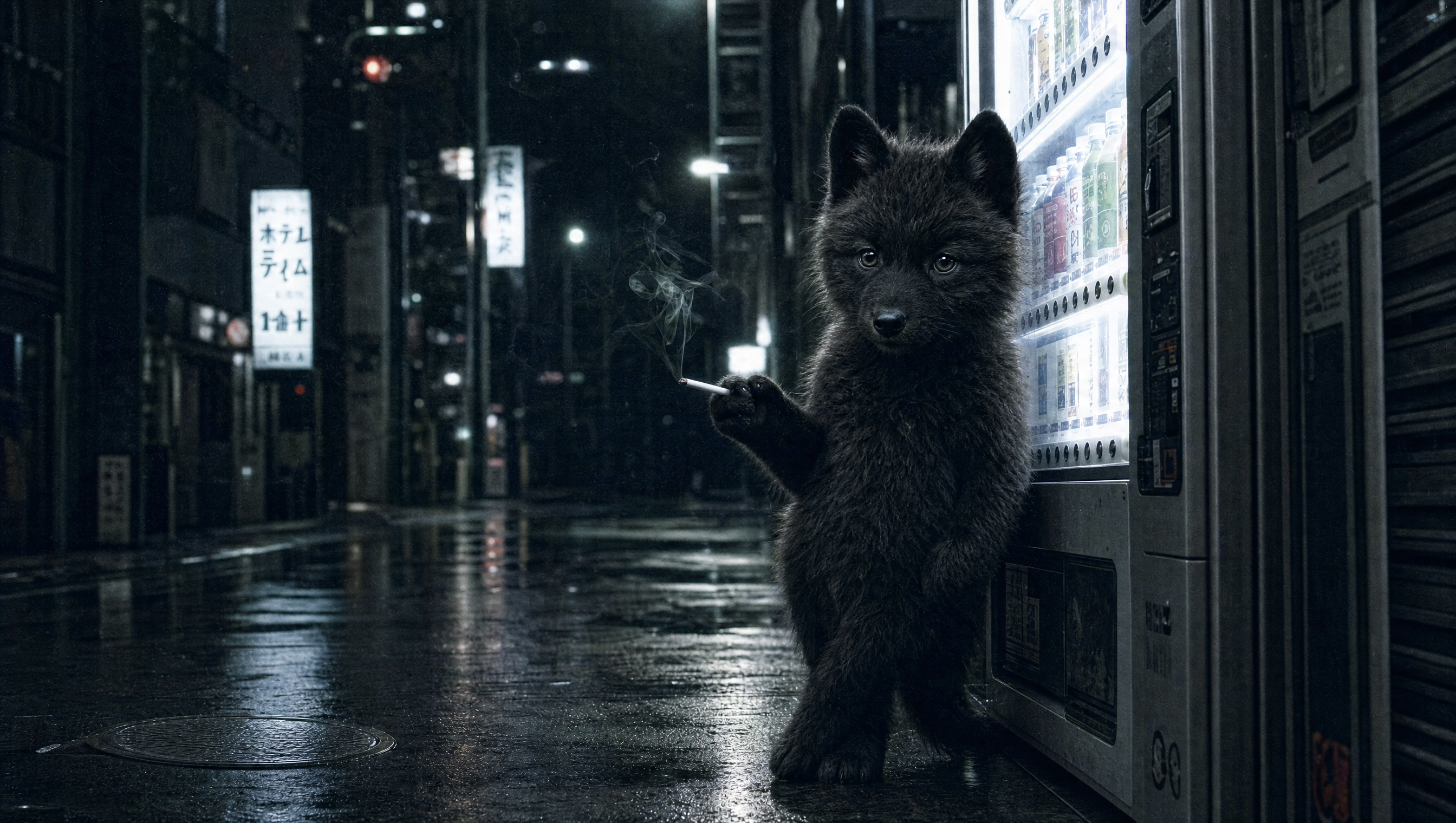
Gallery
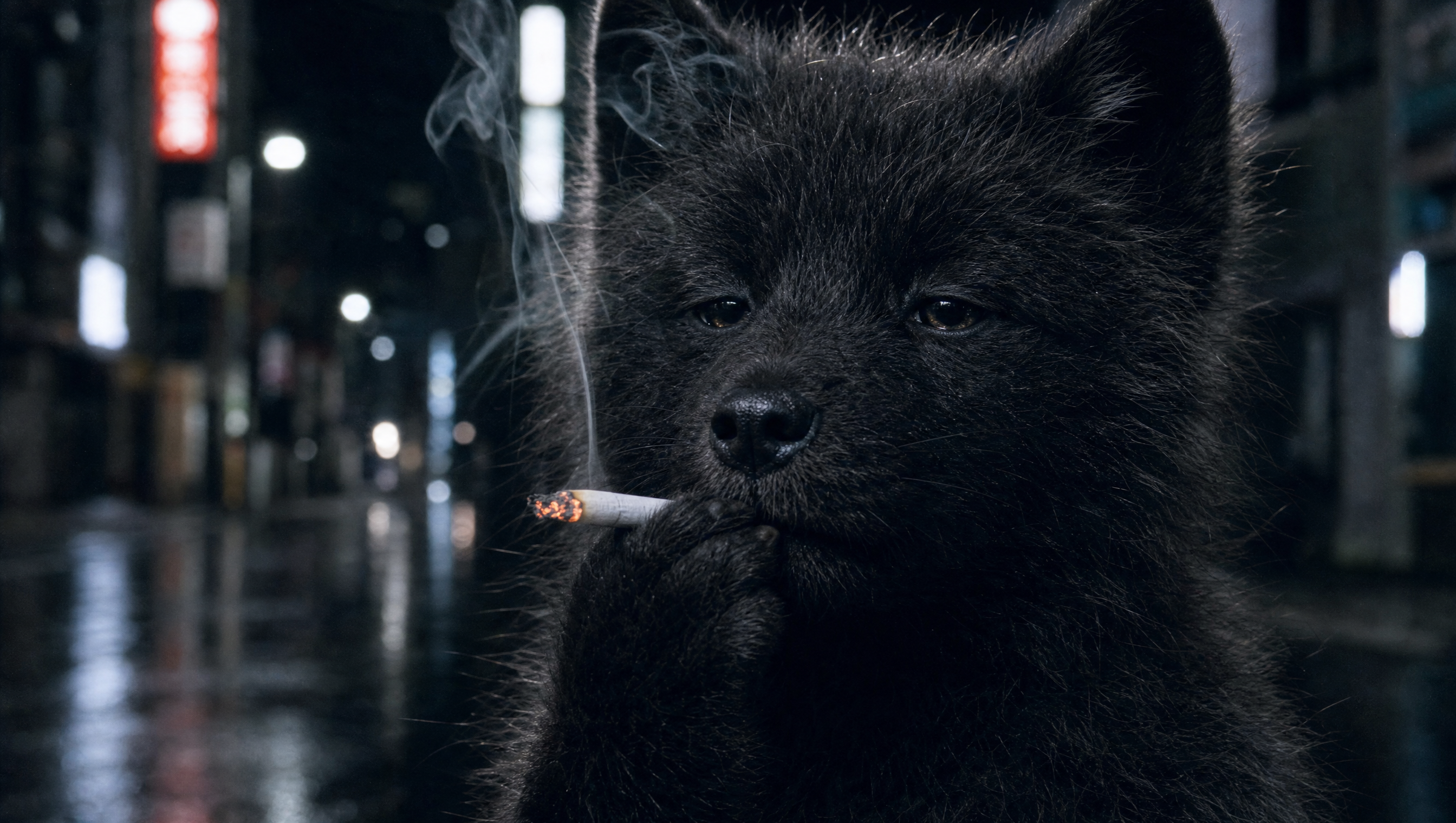
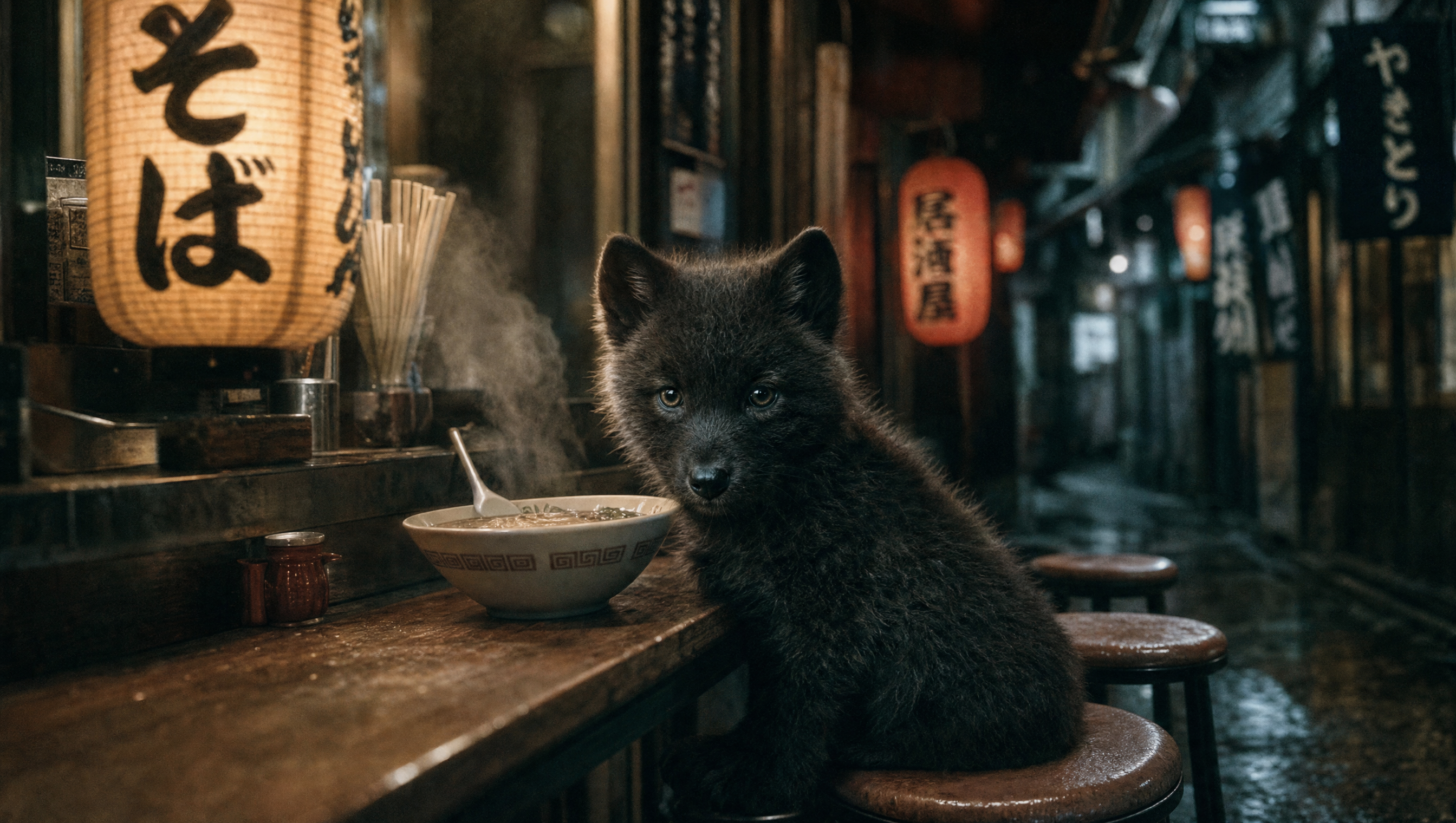
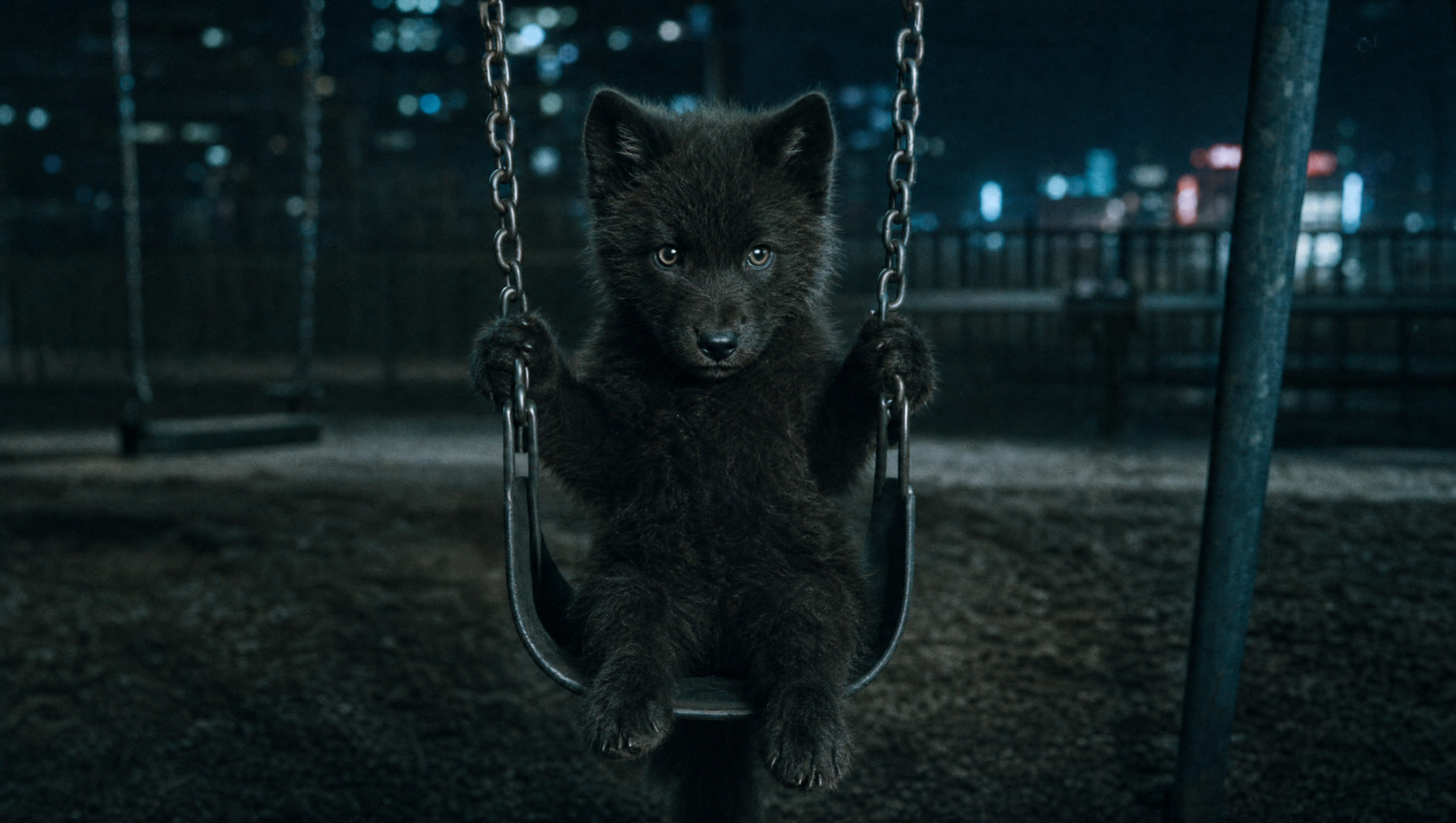

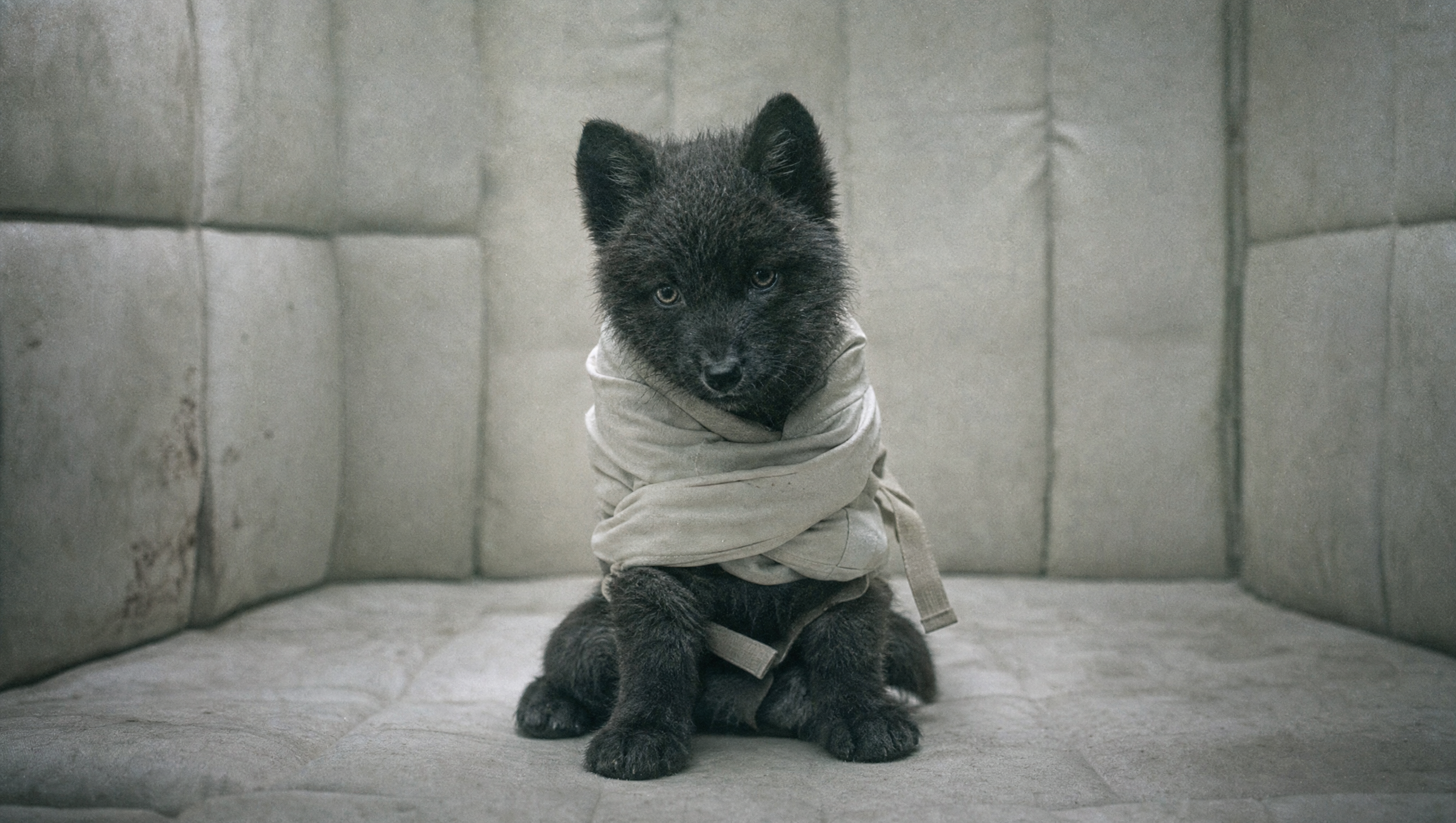
Everyone tells you to find your people. To belong. To move with the crowd — because the crowd is warm, and the crowd is safe.
And it is. The herd will never let you freeze. It moves together, eats together, sleeps together. There is comfort in the middle of it, where no wind reaches you and no decision is ever only yours.
But the herd has one secret it never says out loud: it does not go anywhere. It circles the warm ground. It survives. It waits. And it calls that a life.
In Japan there is a word for the one who walks away from the pack.
一匹狼 — ippiki ōkami. The lone wolf. One animal, no pack. And in a culture built on belonging, the word carries three meanings at the same time:
All three are true at once. Nobody gets to pick just one. That is the full weight of walking alone — and anyone who has done it knows the word was never a compliment or an insult. It was simply the truth.
So which is it — weakness, or strength?
The honest answer is the one no one wants: it is both, always, and you do not get to know which on any given night. Some nights being alone is the proof that you are strong. Some nights it is just cold, and quiet, and heavy, and you would trade all of it for one voice that knew your name.
The wolf does not leave the pack because it hates the pack. It leaves because the thing it is looking for was never in the warm middle of the crowd. No one can walk your road for you. No one will tell you that you were right — not until you arrive, and maybe not even then.
But you didn't leave for the applause. You left because you finally understood that the herd was never going where you needed to go.
kami is for the ones who walk alone —
not because they are lost, and not because no one would have them. Because they looked honestly at the warm circle everyone was standing in, and quietly stepped out of it.
孤独は、強さ。
Solitude is strength · Stay kami